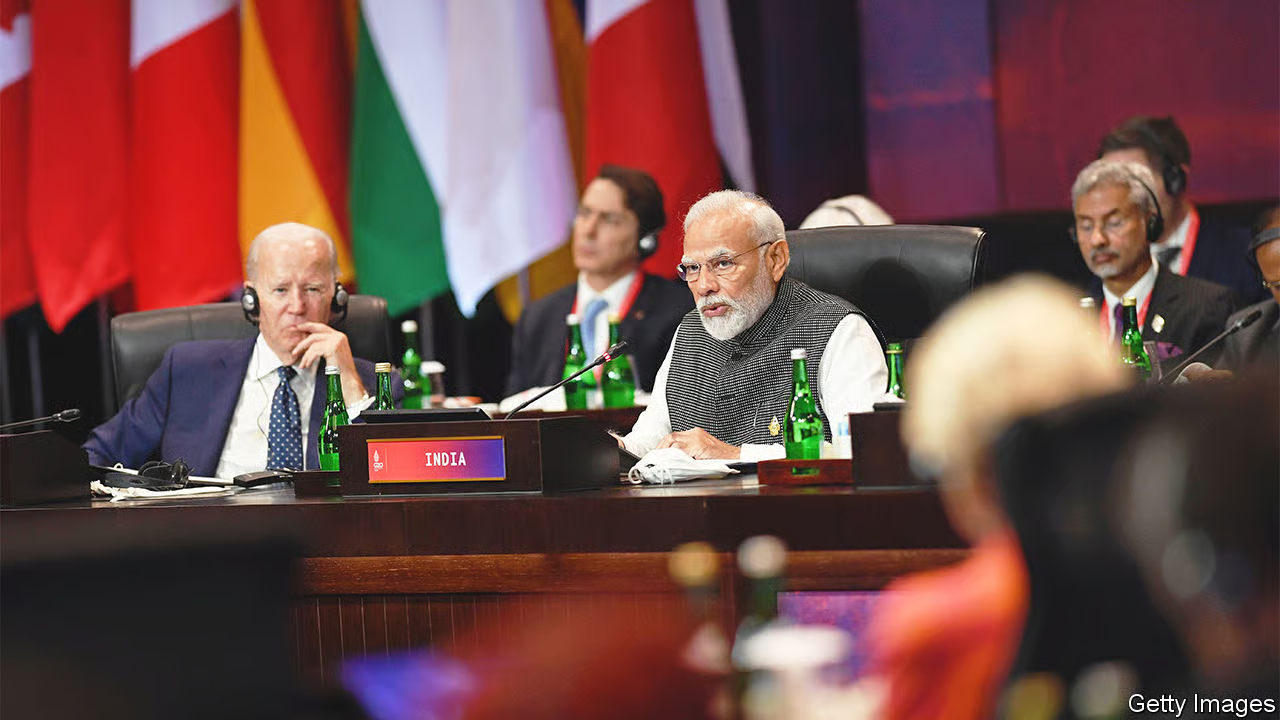
India’s International Relations: Structure, Strategy, and Global Role

The international relations of India are guided by the central objective of protecting national interests while promoting global peace and cooperation. India maintains diplomatic relations with over 200 countries and actively participates in global governance through institutions such as the United Nations, G20, and BRICS.


1. Core Principles of India’s Foreign Policy

India’s foreign policy is based on long-standing principles that continue to shape its global interactions:

  • National Interest First: Protecting sovereignty and security remains the top priority

  • Peaceful Coexistence: Promoting diplomacy over conflict

  • Non-Alignment & Strategic Autonomy: Avoiding alignment with major power blocs

  • Mutual Respect & Cooperation: Encouraging equal partnerships among nations

These principles originate from early leadership under Jawaharlal Nehru and continue to influence modern policy.


2. Determinants of India’s International Relations

India’s foreign policy is shaped by both domestic and global factors:

  • Geography: Strategic location between the Middle East, Central Asia, and East Asia

  • Economy: Need for trade, investment, and technology transfer

  • History & Culture: Anti-colonial stance and support for developing nations

  • Global Environment: Cold War legacy, globalization, and emerging multipolar world

These factors collectively determine how India engages with other countries and institutions.


3. Bilateral Relations

India’s bilateral relations are categorized into key regions:

Neighbourhood First Policy

India prioritizes relations with nearby countries like:

  • Pakistan

  • China

  • Bangladesh

  • Nepal

  • Sri Lanka

The focus is on regional stability, trade, and connectivity.

Major Global Partnerships

India has strategic ties with:

  • United States (defense, technology, trade)

  • Russia (defense and energy cooperation)

  • Japan (infrastructure and investment)

  • France (defense and nuclear cooperation)

These partnerships enhance India’s global influence and economic growth.


4. Multilateral Engagement

India plays an active role in regional and global organizations:

  • SAARC

  • ASEAN

  • Shanghai Cooperation Organisation

  • World Trade Organization

Such participation helps India influence global policies on trade, security, climate change, and development.


5. Key Objectives of India’s International Relations

India’s foreign policy aims to:

  • Ensure national security and territorial integrity

  • Promote economic development and trade expansion

  • Maintain peace and stability in the region

  • Strengthen global influence and leadership

  • Protect the interests of the Indian diaspora

Economic diplomacy has become increasingly important, linking foreign relations with development initiatives and investment flows.


6. Emerging Trends in India’s Global Role

India’s international position is evolving rapidly:

  • Shift toward Indo-Pacific strategy and maritime security

  • Increased focus on energy security and supply chains

  • Expansion of digital diplomacy and technology partnerships

  • Greater role in climate negotiations and global governance

India is now seen as a rising global power with the potential to shape future international systems.


Conclusion

India’s international relations reflect a balanced and pragmatic approach, combining traditional principles with modern strategic interests. By maintaining strong bilateral ties, active multilateral engagement, and a focus on economic diplomacy, India continues to strengthen its position as a key global actor. The future of its foreign policy will depend on how effectively it navigates global challenges while safeguarding national interests.