Indian Economy Under Pressure: Global Oil Crisis and Its Impact

The economy of India is currently facing significant external pressure due to a global energy crisis triggered by escalating conflict in the Middle East. Disruptions in key oil supply routes, particularly the Strait of Hormuz, have affected fuel availability and driven up energy prices worldwide.

India, one of the largest importers of liquefied petroleum gas (LPG), relies heavily on external sources for its energy needs. A substantial portion of its liquefied natural gas (LNG) and LPG imports comes from the Middle East, making the country particularly vulnerable to geopolitical instability in the region. As supply chains tighten, the impact is being felt at both macroeconomic and household levels.

https://images.openai.com/static-rsc-4/edJhsMSaWJ3xwSqXLmW9d3EY-w2EZimXUNp_DQk9r7uJRaEJtexwoxK0pZjupe8xXYa3DUjKoXE5-n3KV0aE8GaVF6OAjRq0Yk5jDYNIEvgZ5JLq_dt2is3tN-wQ3evtNw5cXNNlzlXdhW3TtfFYNvwM9gYCu-04guQ5IIi4HH5BBHVJafoLtmGhq1VUe1uL?purpose=fullsize

https://images.openai.com/static-rsc-4/dbfeyeGAV35DtJ8rgOe7bMNsAZTluQH2Ck8-UejEziN2jOl-OZxJSwrR0i1n0puA5M71NGByBWU-SmSAOxmiV_QH-598cmgHDri0H771zxSOOKcNM2CMEHSW2u79WpavmoGJf0-7fLtgjzG8hPXLKGIa6Ysn-ySXafYFn4b7Vr1OplvdbxynQospPdVfN1_N?purpose=fullsize

https://images.openai.com/static-rsc-4/NiBrmBxijOeWHHJDkhQQLxir7Tdw4XD623RT0yQOySWh5qR87qcGOcun6hqzaHngxWrjkIAx1a02iV_RGK_u6bBd96mKeQQOlFODgj0wySIwBPVz-k3xuGOj4DV0NChB4nZH8nYhcFMzHSg4iMlfr-fWm0fGQZFml5nf0VGLk6jx312EoJ2KOdzkBT2ftWMr?purpose=fullsize


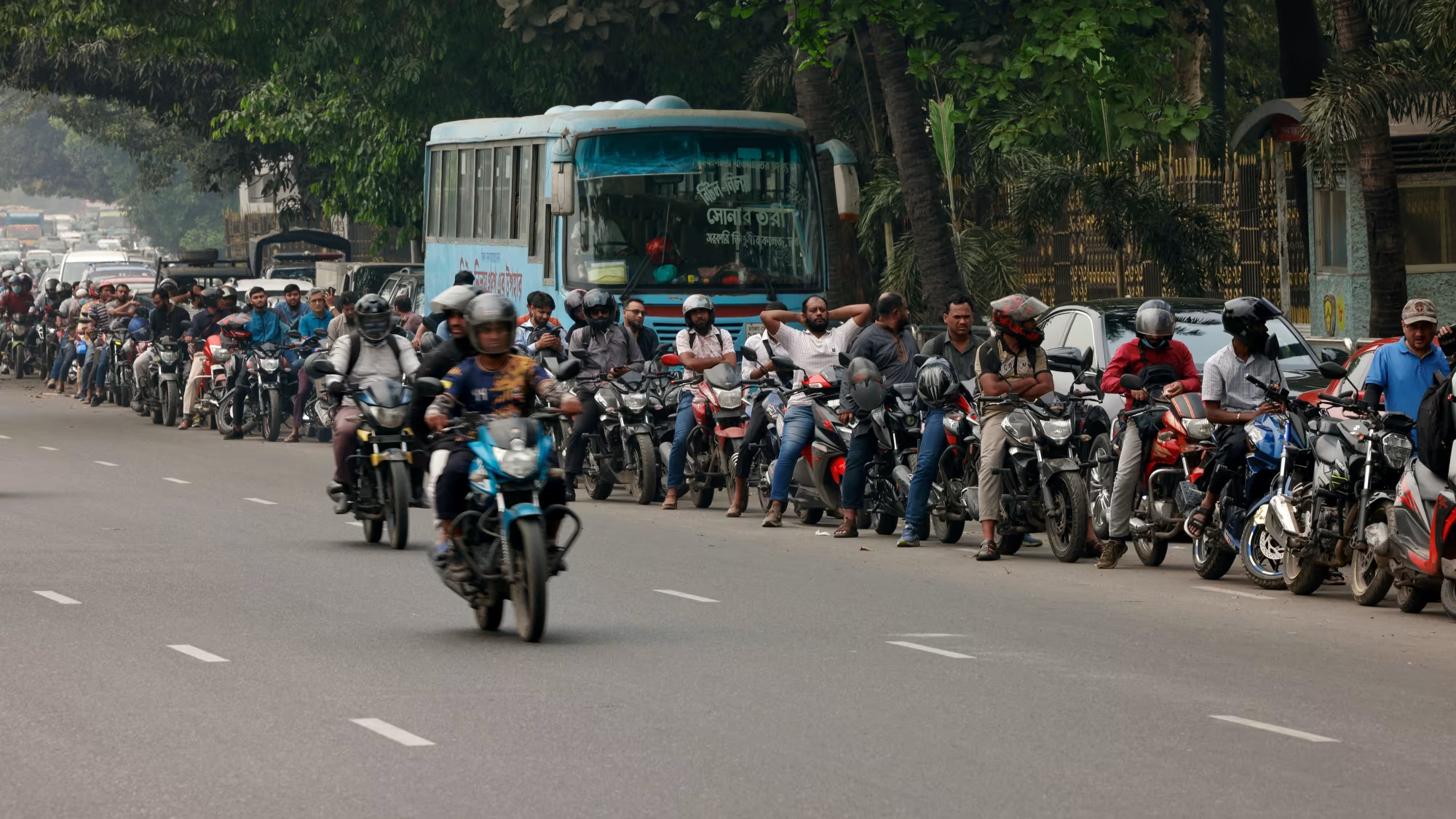
Across various cities, including urban centers like Chennai and Noida, long queues have formed outside fuel stations and LPG distribution centers. Many households are struggling to access cooking gas, forcing some to revert to traditional methods such as firewood. This reflects the severity of supply disruptions and their direct effect on daily life.

In response, the government of India has taken emergency measures to stabilize the situation. Refineries have been instructed to increase LPG production for domestic consumption, and fuel supplies are being redirected from industrial use to households. These steps aim to protect vulnerable populations and ensure essential energy access during the crisis.

The broader regional impact is equally concerning. Neighboring countries like Bangladesh and Pakistan are also experiencing fuel shortages, highlighting South Asia’s collective dependence on imported energy. Governments across the region have introduced austerity measures, including energy-saving policies, reduced working hours, and restrictions on non-essential consumption.

At the global level, institutions such as the International Energy Agency have responded by releasing emergency oil reserves in an effort to stabilize markets. However, the United Nations has warned that prolonged disruption could lead to severe consequences for global supply chains, inflation, and economic growth.

For India, the situation presents a serious challenge despite its otherwise strong economic fundamentals. Rising energy costs can increase inflation, widen trade deficits, and slow industrial productivity. The crisis also exposes structural vulnerabilities in the country’s energy dependence and highlights the urgent need for diversification, including investment in renewable energy sources.

In conclusion, while India remains one of the fastest-growing economies globally, external shocks such as energy crises can significantly disrupt its trajectory. The current situation underscores the importance of energy security, strategic reserves, and long-term policy planning to safeguard economic stability in an increasingly uncertain global environment.