The Ascent of Extreme Right-Wing Ideologies
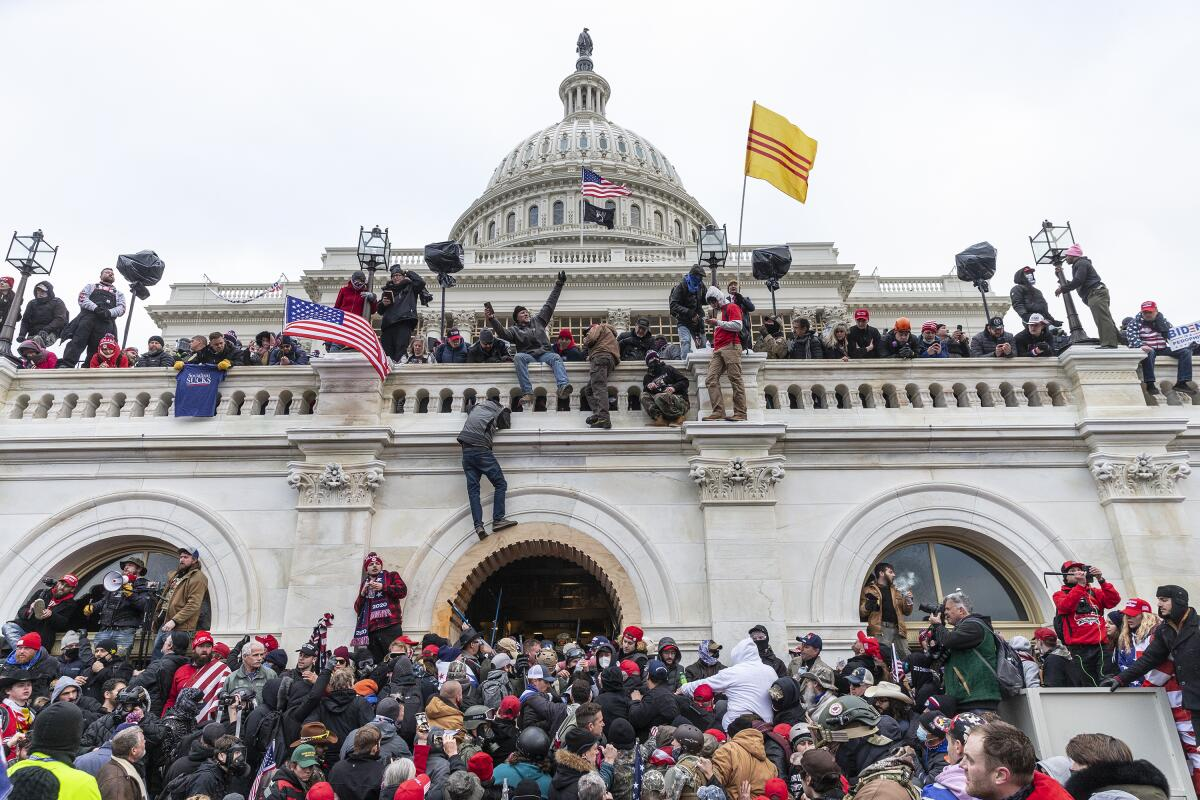
The global security landscape in early 2026 is marked by an alarming resurgence of extremism linked to far-right and white supremacist ideologies. According to the 2026 Global Terrorism Forecast, while the majority of global terrorist activity remains concentrated in the Global South, Western nations are experiencing a steady rise in politically motivated violence.
The current threat is no longer defined solely by organized groups but by a "patchwork" of ideologically driven actors. Political hyper-polarization and the erosion of institutional guardrails have created a feedback loop where incendiary narratives rapidly translate into violent action.
Key Global Alerts and Incidents
Monitoring agencies have identified several critical areas of concern in the first quarter of 2026:
Oceania and Australia: Australian authorities have launched a significant crackdown on far-right symbols and neo-Nazi networks. Notable incidents include the deportation of foreign nationals linked to the National Socialist Network and new legal reforms introducing tougher penalties for the public display of extremist imagery.
The "Transnational Turn" in Europe: There is an increasing focus on the global ties of European nationalist parties. Intelligence reports suggest that state actors are increasingly utilizing far-right actors for sabotage operations, coordinating attacks through criminal recruits on encrypted platforms to maintain deniability.
North America: The FBI and other North American agencies have reported a rise in foiled plots. A notable event in early 2026 was the disruption of coordinated bomb attacks across multiple locations in Los Angeles, reflecting the persistent risk of domestic extremism.
Technological Weaponization: AI and "Memetic Warfare"
The 2026 digital ecosystem has fundamentally shifted how extremist organizations operate. Artificial Intelligence is now a primary tool for radicalization:
Algorithmic Amplification: Far-right entities are using AI to identify at-risk individuals through behavioral analytics, delivering emotionally provocative content designed to create echo chambers.
Synthetic Media: The use of AI-crafted audio and deepfakes allows extremist groups to circumvent traditional content moderation, making it harder for the public to distinguish between genuine news and coordinated propaganda.
The "UpScrolled" Phenomenon: New social media platforms, such as UpScrolled, have seen rapid growth in far-right violent extremist content due to minimal algorithmic moderation, becoming central hubs for recruitment in early 2026.
Regulatory and Political Tensions
A unique trend in 2026 is the growing conflict over digital regulation. There is significant tension between European regulators (using the Digital Services Act) and a network of international think tanks that argue these rules censor legitimate political speech. This debate has complicated the efforts of tech companies to moderate harmful content while upholding freedom of expression.
Conclusion: Moving Toward Upstream Counter-Terrorism
The 2026 outlook emphasizes that purely reactive security measures are insufficient. Success in countering far-right extremism now requires "upstream" intervention addressing online radicalization at its source through education, community engagement, and the promotion of social coexistence. As youth radicalization emerges as a primary concern in the West, the focus must remain on protecting vulnerable populations from the digital narratives of hate that fuel physical violence.