The Modern Asymmetric Threat
In 2026, terrorism remains the most direct asymmetric threat to international security and prosperity. It is a persistent global issue that transcends borders, nationalities, and religions, requiring a unified response from the international community. Modern counter terrorism efforts have evolved to focus on three essential areas: improving awareness of emerging threats, developing rapid response capabilities, and enhancing engagement with international partners.
Pillar I: Enhanced Awareness and Intelligence
The first line of defense in counter terrorism is the ability to anticipate and identify threats before they manifest. This is achieved through a 360 degree approach to intelligence:
Strategic Analysis: Continuous monitoring of global hotspots—particularly in regions experiencing political instability—allows security agencies to assess potential risks to domestic and international territory.
Intelligence Sharing: The establishment of specialized intelligence cells has streamlined the exchange of sensitive information regarding foreign terrorist fighters and transnational networks.
Gender and Human Security: Modern strategies increasingly integrate a gender perspective, recognizing the diverse roles individuals play in extremist groups and ensuring the protection of civilians and children in conflict zones.
Pillar II: Technological Capabilities and Preparedness
As extremist tactics evolve, so must the technological tools used to combat them. The focus has shifted toward neutralizing non conventional weapons and protecting critical infrastructure:
Countering Uncrewed Aircraft Systems (C UAS): With the rise of off the shelf drone technology, standardized doctrines are now in place to detect and neutralize aerial threats in both civilian and military environments.
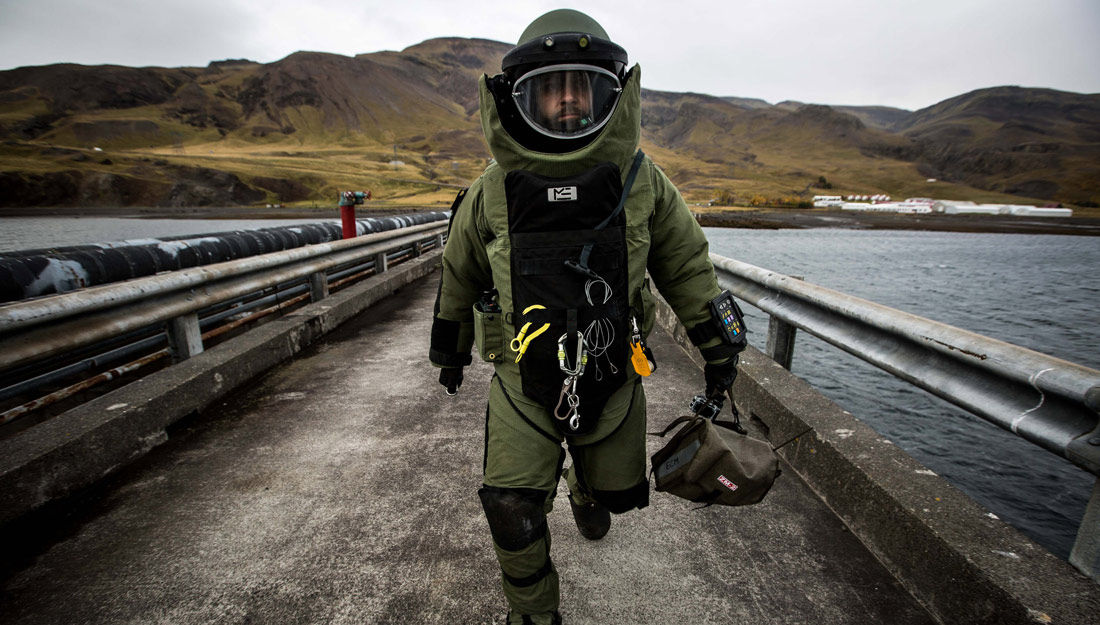
Explosive Ordnance Disposal (EOD): Advanced capabilities, including the use of augmented reality for training and robotic systems for neutralization, allow specialists to manage improvised explosive devices (IEDs) with greater safety and precision.
Biometrics and Battlefield Evidence: The collection of biometric data and material from the battlefield—such as computers and cell phones—is now a standard procedure. This technical exploitation provides vital evidence for law enforcement to hold perpetrators accountable in legal proceedings.
Pillar III: Cooperative Security and Global Engagement
No single nation or organization can tackle terrorism alone. Success depends on a holistic approach that leverages the potential of multiple stakeholders:
International Coalitions: Collaborative missions work to stabilize volatile regions and prevent groups from establishing safe havens. Advisory and capacity building missions are essential for strengthening local security forces.
Crisis Management: Building national resilience through civil preparedness ensures that societies can respond to and recover from terrorist acts or chemical, biological, and nuclear (CBRN) incidents.
Scientific Innovation: Programs like Science for Peace and Security foster networks of experts to develop real time detection systems for explosives and firearms in mass transport hubs, such as airports and metro stations.
Conclusion: A Resilience Based Future
The counter terrorism landscape of 2026 is defined by the integration of military deterrence with technological innovation and humanitarian standards. By maintaining full solidarity and focusing on the root causes of instability, the global community can protect its citizens and ensure that transparency and the rule of law prevail over the shadows of extremism. In this era of rapid change, a united and informed response remains the bedrock of a secure world.