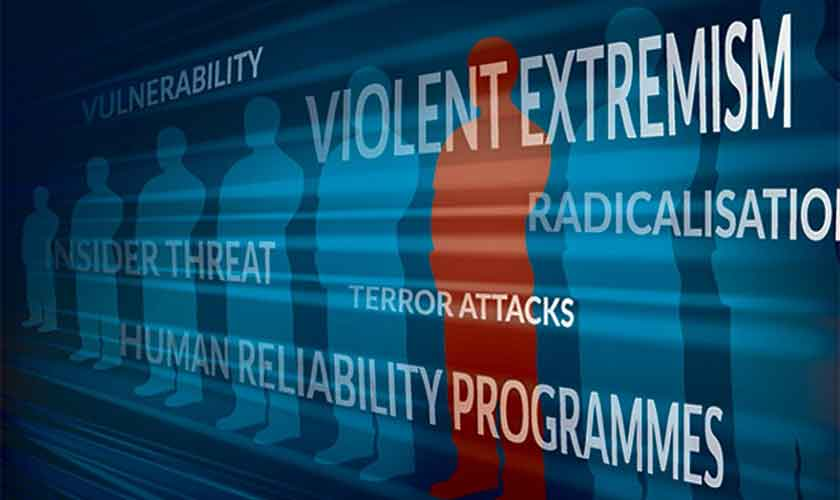
The Global Surge in Extremist Violence
The 21st century has seen a dramatic and tragic escalation in violent extremism. While the world's attention is often captured by high profile attacks in Western nations, the vast majority of victims reside in the Arab States, Africa, Central Europe, and Asia. In fact, between 2000 and 2014, deaths from violent extremism and terrorism increased more than nine fold, reaching a peak of over 32,000 lives lost in a single year. Extremist ideologies, whether rooted in religious fundamentalism, radical nationalism, or ethnic supremacy, share a common thread: they glorify the dominance of one group while violently opposing the principles of an open, inclusive, and diverse society.
The Drivers of Radicalization: Beyond Poverty
Preventing violent extremism (PVE) requires an understanding of the "push" and "pull" factors that drive individuals toward radical movements. Contrary to popular belief, poverty and unemployment alone are not the sole drivers of violence. Instead, radicalization often takes root in environments characterized by:
Horizontal Inequalities: Systematic discrimination and perceptions of injustice against specific groups are powerful catalysts for unrest.
Governance Failures: When a state fails to provide basic rights, security, and essential services, it creates a vacuum that extremist groups are quick to fill.
Political Exclusion: Shrinking civic space and the denial of a political voice can lead to deep seated alienation and resentment.
Psychological Factors: A search for identity, dignity, or a sense of belonging often pulls individuals—particularly youth—into radicalized virtual and physical communities.
A Development Led Theory of Change
The UNDP advocates for a shift from purely securitized responses to a multi dimensional development approach. This framework is built upon eleven interlinked building blocks designed to strengthen the social fabric and inoculate societies against extremism:
Rule of Law and Human Rights: Ensuring that justice and security sectors operate with respect for legal standards to avoid the stigmatization of marginalized groups.
Fighting Corruption: Enhancing state legitimacy by addressing the "grand" and "petty" corruption that fuels public anger.
Socio Economic Alternatives: Providing youth with skills and meaningful employment opportunities to offer a viable future outside of violence.
Civic Engagement: Creating platforms for disenfranchised groups to participate in decision making and public life.
Local Governance: Strengthening the capacity of subnational institutions to deliver services where they are most needed.
Credible Intermediaries: Supporting "insider mediators," such as religious leaders and civic activists, who can facilitate dialogue with alienated individuals.
Gender Equality: Empowering women as powerful voices for prevention and resisting the systematic abuse of women often practiced by extremist groups.
Youth Empowerment: Engaging young people as positive forces for change and social cohesion.
Faith Based Engagement: Working with religious leaders to counter the abuse of faith by violent extremists.
Media and Discourse: Promoting alternative narratives of tolerance and human rights through traditional and social media.
Education for Global Citizenship: Fostering respect for diversity and human rights within schools and universities.
Conclusion: The Path to Resilient Nations
The future of humanity depends on our ability to foster peaceful co existence in increasingly diverse societies. By addressing the underlying conditions that allow radicalization to flourish, the development community can help build nations that are not only more prosperous but also more resilient to the threat of violent extremism. This integrated approach is essential for achieving the 2030 Sustainable Development Agenda, specifically the goal of building peaceful, just, and inclusive societies.