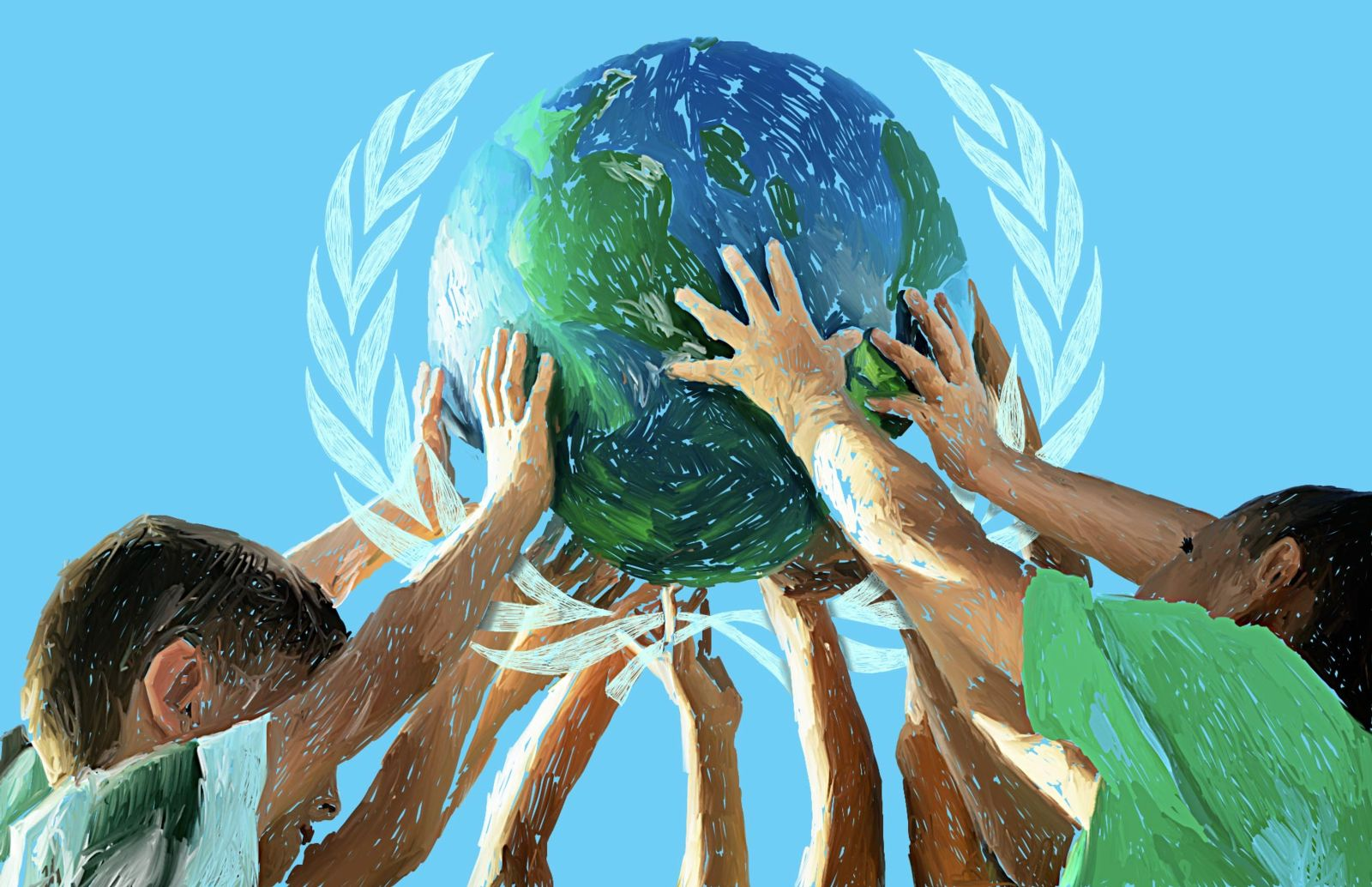
Environmental rights and human rights are increasingly viewed as inseparable, a concept rooted in the idea that a healthy environment is a prerequisite for the enjoyment of all other human rights. Without a stable climate, clean air, and safe water, fundamental rights such as the right to life, health, and food cannot be sustained. In 2022, the United Nations General Assembly formally recognized the right to a clean, healthy, and sustainable environment as a universal human right, marking a historic shift in global policy
The Triple Planetary Crisis and Human Rights
The global community currently faces a triple planetary crisis consisting of climate change, pollution, and biodiversity loss. Each of these elements directly infringes upon protected human rights. Climate change leads to extreme weather events that threaten the right to life and housing. Pollution in the air and water directly violates the right to the highest attainable standard of health. Biodiversity loss undermines the right to food and the cultural rights of indigenous peoples who depend on local ecosystems for their way of life.
Substantive and Procedural Rights
Environmental human rights are generally divided into two categories. Substantive rights include the right to clean air, a stable climate, safe water, and healthy food. These are the physical conditions necessary for a life of dignity. Procedural rights, on the other hand, focus on how decisions are made. These include the right to access information about environmental risks, the right to participate in environmental decision making, and the right to access justice and effective remedies when environmental harms occur.
The Protection of Environmental Human Rights Defenders
A critical aspect of this intersection is the protection of individuals and groups who work to defend their land and environment from harm. Environmental human rights defenders often face significant risks, including harassment, legal threats, and violence. International frameworks, such as the Escazú Agreement in Latin America and the Caribbean, are specifically designed to protect these individuals and ensure they can operate safely while advocating for the protection of natural resources.
State Obligations and Corporate Responsibility
States have a legal obligation to protect their populations from environmental harm caused by both public and private actors. This requires governments to regulate industries effectively and to take proactive measures to mitigate climate change. Increasingly, the "Duty of Care" is also being applied to corporations. Businesses are expected to conduct environmental and human rights due diligence to ensure that their global supply chains do not contribute to deforestation, water contamination, or the displacement of local communities.
Climate Justice and Equity
Environmental rights are deeply tied to the concept of equity. Vulnerable populations, including low income communities, indigenous peoples, and people in the Global South, often contribute the least to environmental degradation but suffer the most from its effects. Climate justice seeks to address this imbalance by ensuring that the transition to a green economy is fair and that the costs of environmental protection do not fall disproportionately on those who are already marginalized.
Conclusion
The integration of environmental protection into the human rights framework represents an evolution in how we understand human safety and dignity. By recognizing that the environment is the foundation for all social and economic activity, international law provides a powerful tool for holding both states and corporations accountable. Ensuring a sustainable future is no longer just an ecological goal but a fundamental legal requirement to protect the rights of present and future generations.