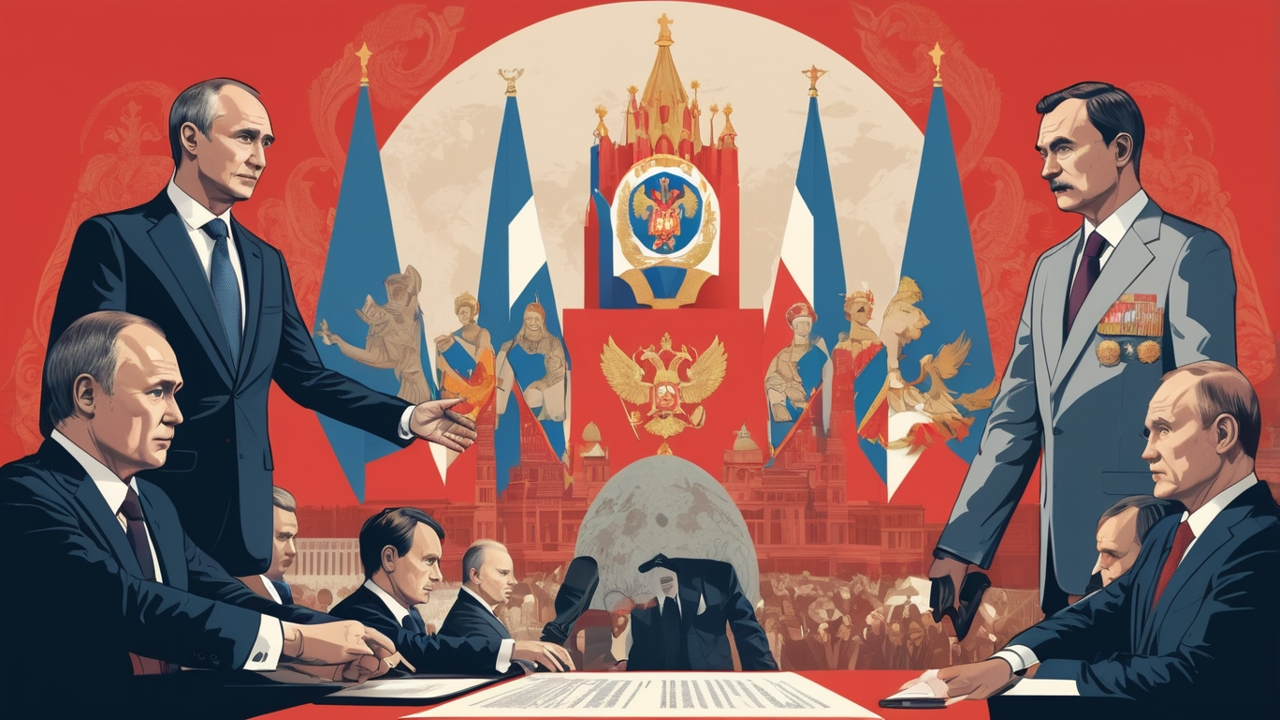
The Invisible Chain: Decoding the Mechanics of Totalitarian and Authoritarian Power

Regime Structures: Power Control in Totalitarian and Authoritarian Systems

By GPN Editorial Staff

In the study of global governance, distinguishing between authoritarian and totalitarian structures is essential for understanding the specific threats posed to human rights and civil liberties. While both systems centralize power, their methods of control and their ultimate objectives differ significantly.

The Fundamental Distinction

The primary difference lies in the scope of state intrusion. Authoritarian regimes focus on maintaining political control and typically demand the passivity of the population. Totalitarian systems, however, seek to dominate every aspect of human life—including private thought—and demand active, mobilized support for the state.


Comparative Analysis of Power Structures

Feature

Authoritarian Systems

Totalitarian Systems

Political Pluralism

Limited. Some non-political groups (churches, private businesses) may exist.

None. All social and economic organizations are state-controlled.

Official Ideology

Often absent or focused on "national stability" and "tradition."

A mandatory, all-encompassing ideology that dictates all social behavior.

State Objective

Maintenance of the status quo and the current elite's power.

Radical transformation of society and the "new man" concept.

Leadership

Often a military junta, a monarch, or a small bureaucratic elite.

Usually a single charismatic leader supported by a vanguard party.


Mechanisms of Power Control

1. The Information Monopoly

For organizations dedicated to press freedom, the way a regime manages information is a key indicator of its structure.

  • Authoritarian Censorship: Control is reactive. The state suppresses information that directly threatens its grip on power but may allow some neutral "private" media.

  • Totalitarian Propaganda: Control is proactive. The state holds a total monopoly on communication, replacing objective reality with a manufactured narrative designed to eliminate independent thought.

2. The Use of Terror and Surveillance

Both systems utilize internal security forces, but the application of violence differs in its intent.

  • Selective Repression: Authoritarian states target known dissidents, activists, and political rivals to prevent organized opposition.

  • Systematic Atomization: Totalitarian states use unpredictable and widespread terror. By encouraging citizens to report on family and neighbors, the state destroys social trust, leaving the individual isolated and entirely reliant on the regime.

3. Economic Subordination

Control over resources is a prerequisite for absolute power.

  • Command Economies: In totalitarian models, the state dictates production, distribution, and consumption, ensuring no independent economic power can emerge.

  • Crony Capitalism: In authoritarian models, the state often permits private property but ensures that major industries are controlled by loyalists or the military.


The Digital Shift: A New Frontier for GPN

The 21st century has introduced "Digital Totalitarianism," where technology replaces the need for overt mass violence. Through AI-driven surveillance and social credit systems, modern regimes can monitor behavior in real-time. This digital panopticon represents the modern evolution of power control, where data becomes the primary tool for suppressing Article 19 freedoms.

Understanding these structures is not merely an academic exercise; it is a necessity for identifying the early warning signs of democratic backsliding and the rise of absolute power in the modern era.

How should we structure the follow-up piece regarding specific case studies of digital surveillance in these systems?