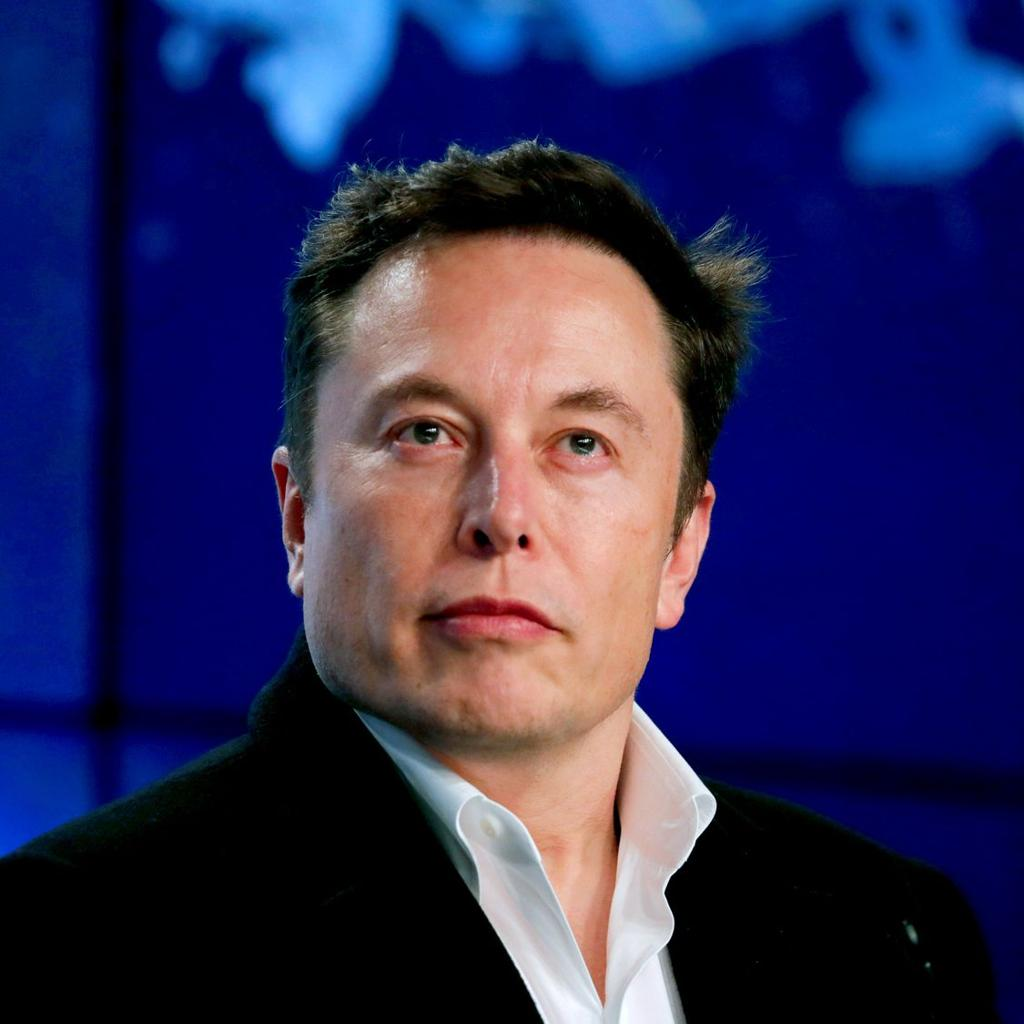
The Role of Visionary Entrepreneurship: Elon Musk on Failure as a Catalyst for Innovation
Elon Musk views failure not as a setback, but as a fundamental requirement for meaningful innovation. Rather than fearing it, he treats it as essential feedback in the pursuit of breakthroughs. This philosophy is evident across his companies and has been articulated in various interviews and statements over the years.
His approach is built on three interconnected pillars:
- Rapid Experimentation: Musk emphasizes iterating quickly, testing ideas aggressively, and learning from real-world outcomes. At SpaceX, early Falcon 1 rockets failed multiple times before achieving orbit each explosion provided critical data that accelerated progress toward reusable launch vehicles.
- High Tolerance for Failure: He has famously stated, “Failure is an option here. If things are not failing, you are not innovating enough.” Musk further clarifies that “failure is essentially irrelevant unless it is catastrophic,” meaning most setbacks are tolerable as long as they don’t threaten the entire mission. The goal is to maximize net useful output over time, accepting that some attempts will fail while others succeed dramatically.
- Long-Term Vision Over Short-Term Profit: Musk prioritizes multi-decade goals making life multi-planetary, accelerating sustainable energy, or advancing neural interfaces even when they require years of losses or public skepticism. Quarterly earnings or immediate returns take a backseat to existential-scale impact.
This mindset has redefined entire sectors. In automotive, Tesla pushed electric vehicles from niche curiosity to mainstream dominance through relentless production iteration and battery innovation, surviving near-bankruptcy moments. In aerospace, SpaceX disrupted legacy players by proving that rapid, iterative development (including spectacular public failures) could achieve what government programs took decades to accomplish, dramatically lowering the cost of access to space.
Technology and Global Policy Implications
Musk’s ventures transcend business; they actively shape and disrupt global policy debates:
- Regulation of Artificial Intelligence: Through xAI and his warnings about AI risks, Musk advocates for proactive governance that balances innovation with safety, arguing that unchecked development could pose existential threats.
- Privatization of Space Exploration: SpaceX’s Starship program and Starlink constellation challenge traditional state-led models, raising questions about commercial control of orbital infrastructure, international space law, and equitable access to space resources.
- Transition to Sustainable Energy: Tesla’s scaling of EVs, energy storage, and solar has accelerated the shift away from fossil fuels, influencing national climate policies, subsidies, and infrastructure planning worldwide.
In each case, these companies function as policy disruptors forcing governments and regulators to adapt faster than traditional diplomatic or legislative processes often allow. Success here depends not only on technology but on navigating (and sometimes influencing) international treaties, safety standards, and geopolitical rivalries.
Conclusion
Musk’s trajectory demonstrates both the extraordinary power and inherent risks of visionary entrepreneurship. By embracing failure as a necessary step rather than a disqualifier, he has accelerated progress in fields long dominated by caution and incrementalism. Yet this approach also invites scrutiny: rapid disruption can outpace regulatory frameworks, amplify inequalities, or create new dependencies.
As governments grapple with AI governance, space commercialization, and energy transitions, Musk’s example underscores a broader truth durable innovation often requires tolerating turbulence. Whether one admires or critiques the methods, his work continues to influence how industries, policymakers, and societies envision and build the future.