Beyond Unipolarity: How Multipolarity Shifts the Logic of Iranian Escalation


The Iranian Escalation Trap: Regional Fragmentation in a Multipolar World

TEHRAN— The Iranian conflict is falling predictably into an escalation trap shifting from a vertically limited regime targeting air campaign to a horizontally expanding regional war with the potential to become a consequential geostrategic crisis of the century carrying implications for the global economy and international security The central question remains whether systemic conditions are in place for this crisis to escalate into a generalized world war

The Attrition Trap and the Hormuz Blockade

Leaders often initiate wars expecting rapid and decisive victories with minimal costs only to devolve into protracted wars of attrition determined by economic endurance and industrial capacity This is the trap the United States has encountered where a perceived momentum of invincibility led to an underestimation of escalation risks regarding decapitation tactics and the inevitable blockade of the Strait of Hormuz through which one quarter of global oil transits

Tehran has adopted a survival strategy relying on disproportionate attrition through ballistic strikes against military bases and critical infrastructure in neighboring Gulf states By disrupting the Strait of Hormuz Tehran aims to impose maximum economic costs to mobilize global pressure against US intervention however this strategy remains double edged as it risks reinforcing international alignment against Iran while transforming the conflict into a global problem

Academic Analysis: Structural Constraints Against World War

From a theoretical perspective the emergence of major wars requires the simultaneous involvement of great powers through high salience crises that generate cumulative pressure toward escalation Historically this was seen in the First World War through imperial competition and the Second World War through the Great Depression and the collapse of institutions

The current configuration in Iran lacks this center of gravity Crises are geographically diffuse and great power engagement is fragmented across different theaters as China Russia and the United States pursue diversified strategies This reflects aRole Power Disequilibriumwhere the US retains a disproportionate role relative to declining power while China and Russia seek influence beyond their current underlying bases This fragmentation acts as a defining structural constraint shaping escalation dynamics

Journalistic Observation: The Collapse of Alliance Structures

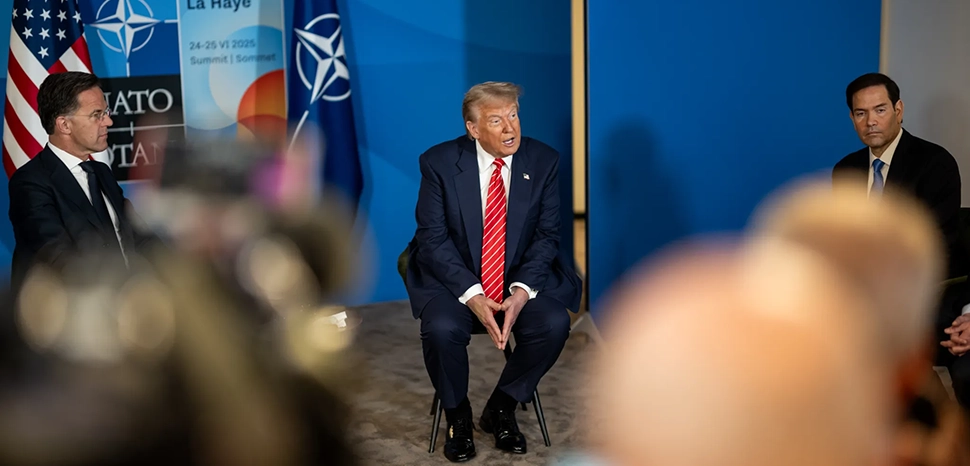
On the ground the strategic environment is devoid of the constraining alliance structures that historically triggered systemic wars In past conflicts chain ganging and fears of abandonment transformed local crises into world wars Today NATO reflects a significant fragmentation of security architecture unable to provide a unified response to conflicts in Ukraine or Iran The non response in Iran reflects a collapse of European cohesion and a return to a state of strategic incompatibility

Iran similarly finds itself largely isolated as its Axis of Resistance has been largely neutralized and partners like China remain unwilling to risk domestic interests for Tehran Russia remains focused on the Ukrainian front avoiding further fragmentation of its own resources

GPN Geopolitical Risk Summary

Category

Analysis & Context

Systemic Transition

Move from US unipolarity to a fragmented multipolar order reduces world war risk

Alliance Dynamics

Absence of chain ganging as states hedge to avoid entrapment or abandonment

Economic Shift

Transition toward the petroyuan and Chinese flagged vessels transiting freely

US Credibility

Redirection of assets like THAAD from Indo Pacific leaves Asian allies exposed

Strategic Outcome

Conflict reinforces Iranian nationalism and enables nuclear ambitions